
Cholinesterase Inhibitors, Memantine (Namenda®), and Combination Therapy
A pharmacist-reviewed guide for mild, moderate, and progressing Alzheimer’s disease
Cholinesterase inhibitors are prescription medications commonly used in the early and middle stages of Alzheimer’s disease. While they do not cure Alzheimer’s, they may help slow cognitive decline and support daily functioning for some individuals.
FDA-approved options include:
- Donepezil (Aricept®)
- Rivastigmine (Exelon®) – oral capsule or transdermal patch
- Galantamine (Razadyne®)
These medications are most effective when started earlier in the disease course, though donepezil may be continued into later stages for select patients.
Alzheimer’s disease reduces levels of acetylcholine, a chemical messenger essential for memory, attention, and learning.
Cholinesterase inhibitors slow the breakdown of acetylcholine, helping brain cells communicate more effectively for a longer period of time. This may temporarily preserve cognitive function and daily abilities, though it does not stop disease progression.
Research shows modest but meaningful benefits for some individuals:
- Small improvements in memory and thinking (often 2–3 points on standardized tests)
- Improved ability to perform daily activities
- Slower decline compared to no treatment
Timeline:
Benefits are usually evaluated after 8–12 weeks, with the strongest effects seen during the first 6–18 months.
Responses vary widely — benefit is individual, not guaranteed.
Early (Mild) Alzheimer’s Disease
- Highest likelihood of noticeable benefit
- May support memory, focus, and problem-solving
- Often helps preserve independence longer
Best stage to combine medication with lifestyle-based brain support
Middle (Moderate) Alzheimer’s Disease
- Benefits shift toward maintaining daily function rather than improving memory
- May help with language, routine tasks, and behavioral symptoms
- Caregiver involvement and safety monitoring become increasingly important
Common:
- Nausea, diarrhea, reduced appetite
- Weight loss
- Muscle cramps
- Sleep disturbances or vivid dreams
Less common but important:
- Slow heart rate
- Dizziness or fainting
- Increased fall risk in frail older adults
- Starting low, increasing slowly, and taking medication with food can reduce side effects.
Memantine (Namenda®) is a different type of Alzheimer’s medication, approved for moderate to severe Alzheimer’s disease.
Unlike cholinesterase inhibitors, memantine works on the glutamate system, which is involved in learning and memory but can become overactive in Alzheimer’s disease.
Memantine helps by:
- Reducing excess glutamate activity
- Protecting brain cells from overstimulation
- Supporting daily function and behavior rather than memory improvement
What Patients and Caregivers May Notice
- Stabilization of daily functioning
- Possible improvement in agitation or confusion
- Easier caregiving routines in some individuals
Memantine is not typically used alone in early Alzheimer’s, but becomes more relevant as symptoms progress.
Many individuals with moderate Alzheimer’s disease are treated with a combination of a cholinesterase inhibitor and memantine.
There is also a single combination capsule, Namzaric®, which contains donepezil (Aricept®) + memantine extended-release (Namenda XR®).
Why Combine Them?
- They work on different brain pathways
- Effects may be additive rather than overlapping
- Combination therapy may better support daily function and slow decline compared to either medication alone
What to Expect from Combination Therapy
- Benefits are still modest and gradual
- Focus is often on maintaining function and quality of life
- Side effects must be monitored carefully, especially dizziness and falls
Combination therapy is not appropriate for everyone and should be reassessed regularly.
- Track changes in memory, daily function, behavior, appetite, sleep, and falls
- Monitor blood pressure, heart rate, and dizziness
- Avoid stopping medications abruptly without guidance
- Reassess benefit every 6–12 months with a clinician
- Align medication decisions with goals of care as disease progresses
Medications tend to work best when combined with:
- Physical activity
- Good sleep habits
- Cognitive and social engagement
- Cardiovascular risk management
Key Takeaway
Alzheimer’s medications — including cholinesterase inhibitors and memantine — do not cure the disease. However, when used thoughtfully, they may slow decline, support daily function, and improve quality of life for some individuals.
The right approach depends on stage of disease, tolerance, caregiver support, and personal goals.
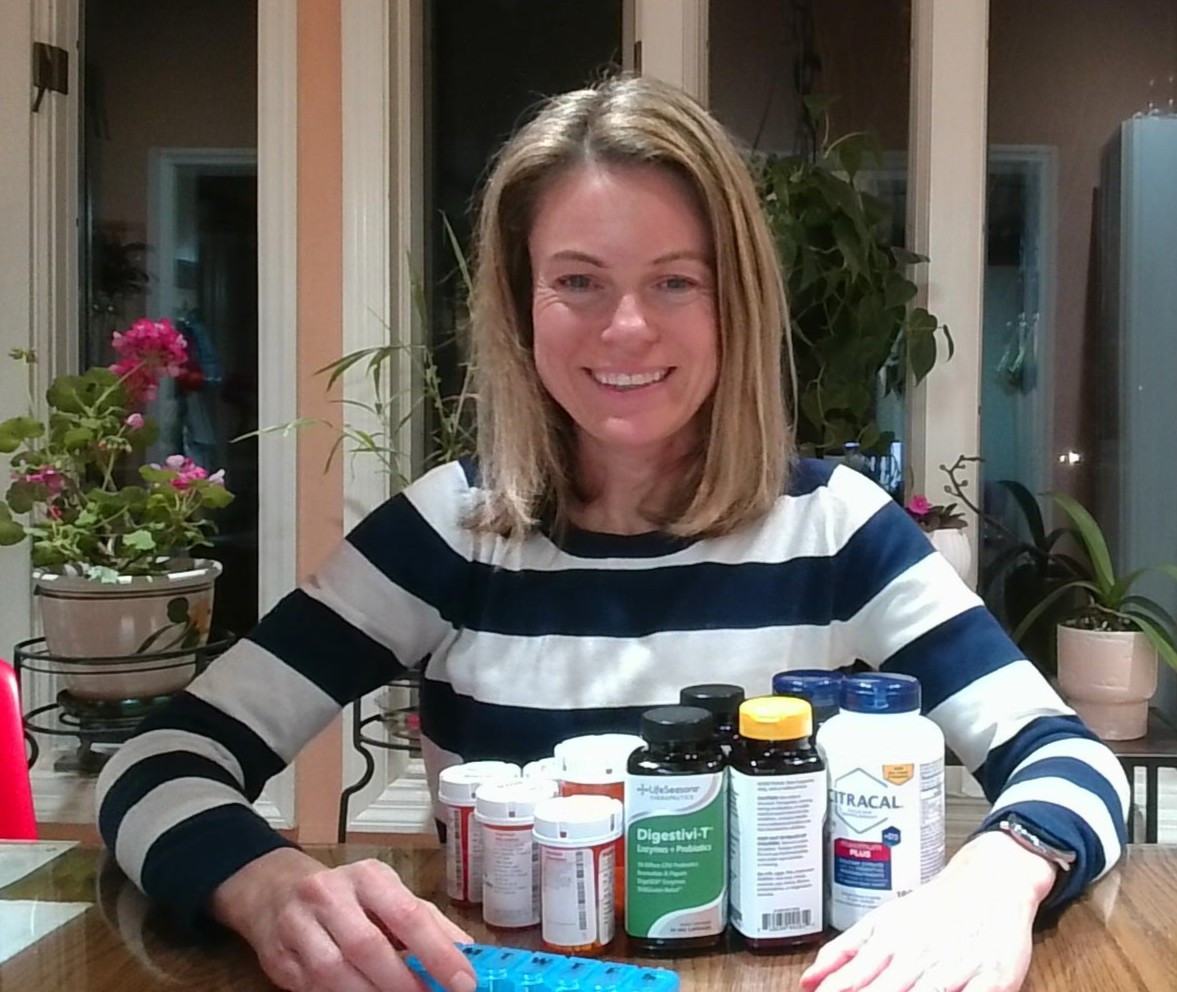
Decisions about Alzheimer’s medications can be complex and emotionally charged. A licensed pharmacist can help you:
- Understand which medications match the current stage of disease
- Weigh benefits vs. side effects
- Review interactions with other prescriptions
- Decide when combination therapy may (or may not) make sense
- Integrate medications with lifestyle-based brain support
You don’t have to navigate this alone.
Memantine is typically introduced in moderate Alzheimer’s disease, either alone or alongside a cholinesterase inhibitor.
Sometimes. Studies suggest combination therapy may offer additional functional benefit in moderate stages, though results vary.
NNot always. Continuation should be reassessed regularly based on benefit, side effects, disease progression, and goals of care.
Yes. Lifestyle support remains important at every stage and may enhance quality of life even as the disease progresses.
Alzheimer’s Treatment Overview – how medications and lifestyle strategies fit together
SCI vs MCI vs Dementia Explained – understanding early cognitive changes
Lifestyle Strategies for Brain Health – evidence-based non-drug support
Positive Caregiving for Cognitive Decline – tools for caregivers
Alzheimer’s Association. (2023). Alzheimer’s disease medications. https://www.alz.org/alzheimers-dementia/treatments/medications-for-memory
Birks, J. (2006). Cholinesterase inhibitors for Alzheimer’s disease. Cochrane Database of Systematic Reviews, (1), CD005593. https://doi.org/10.1002/14651858.CD005593.pub2
Gill, S. S., Anderson, G. M., Fischer, H. D., Bell, C. M., Li, P., Normand, S. L. T., Rochon, P. A. (2009). Syncope and its consequences in patients with dementia receiving cholinesterase inhibitors: A population-based cohort study. Archives of Internal Medicine, 169(9), 867–873. https://doi.org/10.1001/archinternmed.2009.43
Livingston, G., Huntley, J., Sommerlad, A., Ames, D., Ballard, C., Banerjee, S., Mukadam, N. (2020). Dementia prevention, intervention, and care: 2020 report of the Lancet Commission. The Lancet, 396(10248), 413–446. https://doi.org/10.1016/S0140-6736(20)30367-6
Raina, P., Santaguida, P., Ismaila, A., Patterson, C., Cowan, D., Levine, M., Booker, L. (2008). Effectiveness of cholinesterase inhibitors and memantine for treating dementia: Evidence review for a clinical practice guideline. Annals of Internal Medicine, 148(5), 379–397. https://doi.org/10.7326/0003-4819-148-5-200803040-00009
Reisberg, B., Doody, R., Stöffler, A., Schmitt, F., Ferris, S., & Möbius, H. J. (2003). Memantine in moderate-to-severe Alzheimer’s disease. The New England Journal of Medicine, 348(14), 1333–1341. https://doi.org/10.1056/NEJMoa013128
Rogers, S. L., Doody, R. S., Mohs, R. C., & Friedhoff, L. T. (1998). Donepezil improves cognition and global function in Alzheimer disease: A 15-week, double-blind, placebo-controlled study. The New England Journal of Medicine, 338(3), 141–147. https://doi.org/10.1056/NEJM199801153380301
U.S. Food and Drug Administration. (2014). Namzaric (memantine hydrochloride and donepezil hydrochloride) prescribing information. https://www.accessdata.fda.gov/drugsatfda_docs/label/2014/206439s000lbl.pdf
Functional Pharmacy
BODY, MIND, AND SOUL
Vestal, New York 13850


Join the List for Exclusive Event Invites
Your privacy is respected. Your email is never shared. Unsubscribe anytime.
The content on this website is for educational purposes only and is not a substitute for professional medical advice. Always consult your healthcare provider before making health decisions.
2026 Functional Pharmacy LLC. All rights reserved. Artwork by Pasha.